Kiribati's Health Sector Challenges and Response Strategies
Introduction
Kiribati, an island nation in the Pacific, faces numerous challenges in its health sector. With a population of around 120,000 people, Kiribati consists of 33 atolls and reef islands dispersed over 3.5 million square kilometers of ocean. This vast geographic spread and the nation's remoteness from other countries present unique health challenges, ranging from access to healthcare services to a shortage of healthcare professionals. Furthermore, like other small island developing states (SIDS), Kiribati is highly vulnerable to the effects of climate change, which compounds the health risks faced by its population.
This article explores the major challenges facing Kiribati's health sector and discusses the response strategies that the government and international partners are implementing to address these challenges.
Geographic isolation and accessibility
One of the biggest challenges in Kiribati's health sector is the geographic isolation of its population. The country's dispersed population, with many people living on remote islands, makes it difficult to provide equitable healthcare services across the nation. This isolation not only complicates physical access to healthcare facilities but also limits the availability of medical supplies and the ability to deliver healthcare services in a timely manner.
Challenges:
- Transport and Logistics: Healthcare services in Kiribati are centralized in the capital, South Tarawa. However, more than 50% of the population lives on outer islands, some of which are hundreds of kilometers away from South Tarawa. Transporting patients to the central hospital can be costly and time-consuming. transporting medical supplies, vaccines, and equipment to the similarly outer islands is logistically complex and expensive.
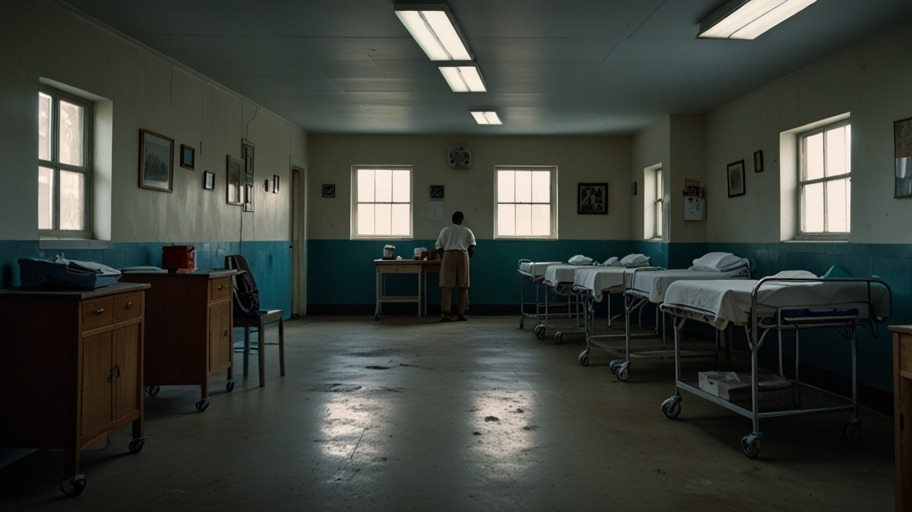
- Inadequate Infrastructure: The outer islands have limited infrastructure, with few health clinics or hospitals. Most of the clinics on the outer islands are understaffed and lack modern equipment, making it difficult to provide comprehensive healthcare services to the population.
- Delayed Response to Medical Emergencies: Due to the remoteness of many islands, there are significant delays in responding to medical emergencies. People living in remote areas may face life-threatening delays before they can receive medical treatment, particularly for serious conditions such as heart attacks , strokes, or complications during childbirth.
Response Strategies:
- Strengthening Health Infrastructure on Outer Islands: The Kiribati government, with the support of international partners such as the World Health Organization (WHO) and the Asian Development Bank (ADB), is working to improve healthcare infrastructure on the outer islands. This includes upgrading health clinics and ensuring that these facilities have adequate medical supplies and equipment.
- Improving Transport Services: To address the transport challenge, the government is investing in better maritime and air transport systems to connect remote islands with South Tarawa. There are ongoing efforts to establish regular medical evacuation services to ensure that patients from the outer islands can receive timely treatment at the main hospital.
- Telemedicine Initiatives: The introduction of telemedicine in Kiribati is helping to overcome geographic barriers. Healthcare professionals can now provide consultations to patients on remote islands using telecommunications technologies, reducing the need for physical travel.
Human Resources in the Health Sector
Another significant challenge facing Kiribati's health sector is the shortage of healthcare professionals. The country faces difficulties in attracting and retaining skilled healthcare workers, including doctors, nurses, and specialists. This shortage is compounded by the fact that many healthcare workers are concentrated in South Tarawa , leaving the outer islands with a limited workforce.
Challenges:
- Limited Number of Trained Healthcare Workers: Kiribati has a small number of trained healthcare professionals, and there is a shortage of doctors, nurses, and midwives. The country relies heavily on foreign-trained healthcare workers, as it does not have its own medical school This dependence on overseas training creates gaps in the availability of healthcare professionals.
- Uneven Distribution of Healthcare Workers: Most healthcare professionals are based in South Tarawa, leading to an uneven distribution of health services. The outer islands are often underserved, with clinics staffed by only one or two health workers who may not have the necessary skills to handle complex medical cases.
- Brain Drain: Kiribati has also experienced the emigration of trained healthcare professionals to other countries, particularly Australia and New Zealand, in search of better employment opportunities and living conditions. This further exacerbates the shortage of healthcare workers in the country.
Response Strategies:
- Training and Capacity Building: The Kiribati government, with support from development partners, is investing in the training and education of healthcare workers. Initiatives include sending students abroad for medical training and establishing nursing schools within the country. Additionally, short-term training programs and Workshops are being conducted to upgrade the skills of existing healthcare workers.
- Incentives to Retain Healthcare Workers: To address the issue of brain drain, the government is offering incentives such as higher salaries, better working conditions, and housing allowances to encourage healthcare professionals to remain in Kiribati. Efforts are also being made to improve the working environment in health facilities to reduce turnover.
- Strengthening Partnerships with International Health Organizations: Kiribati has formed partnerships with organizations such as the WHO, the Pacific Community (SPC), and non-governmental organizations (NGOs) to provide technical assistance and capacity building for healthcare workers. These partnerships are helping to address the shortage of healthcare professionals in the country.
Disease Burden and Public Health Challenges
Kiribati faces a double burden of disease, with both communicable and non-communicable diseases (NCDs) posing significant health risks to the population. The country is grappling with high rates of infectious diseases such as tuberculosis (TB) and waterborne diseases, as well as Rising rates of NCDs such as diabetes, cardiovascular diseases, and obesity.

Challenges:
- High Prevalence of Communicable Diseases: Kiribati has one of the highest rates of TB in the Pacific region, with overcrowded living conditions in South Tarawa contributing to the spread of the disease. Waterborne diseases such as diarrhea and typhoid fever are also common, particularly in areas with inadequate access to clean water and sanitation.
- Rising Burden of NCDs: NCDs are becoming a growing public health challenge in Kiribati, driven by unhealthy diets, physical inactivity, and tobacco use. The consumption of processed foods high in sugar, salt, and fat is contributing to high rates of obesity and related health conditions such as diabetes and heart disease.
- Limited Healthcare Resources for Managing NCDs: Kiribati's healthcare system is not fully equipped to manage the growing burden of NCDs. There is a shortage of specialists and diagnostic equipment for the early detection and treatment of conditions such as cancer and diabetes. Furthermore, healthcare workers lack the necessary training to provide effective counseling and support for lifestyle changes to prevent NCDs.
Response Strategies:
- Strengthening Disease Surveillance and Control Programs: The government of Kiribati, with support from international partners, is implementing disease control programs to address the high rates of TB and waterborne diseases. Efforts include expanding TB detection and treatment services and improving access to clean water and sanitation , particularly in urban areas like South Tarawa.
- NCD Prevention and Health Promotion Campaigns: In response to the growing burden of NCDs, the government is promoting public health campaigns aimed at encouraging healthy lifestyles. These campaigns focus on reducing tobacco use, promoting physical activity, and improving nutrition. The government is also working with schools to introduce health education programs that teach children about the importance of a balanced diet and regular exercise.
- Developing NCD Clinics and Specialized Care Units: To improve the management of NCDs, the government is establishing specialized clinics for diabetes, hypertension, and other chronic conditions. These clinics provide patients with access to screening, treatment, and ongoing monitoring of their conditions. , are being made to train healthcare workers efforts in NCD management and lifestyle counseling.
Climate Change and Health
Kiribati is highly vulnerable to the impacts of climate change, which pose significant risks to public health. Rising sea levels, extreme weather events, and saltwater intrusion into freshwater supplies threaten the health and well-being of the population.
Challenges:
- Water and Food Security: Climate change is affecting the availability of clean water and food in Kiribati. Rising sea levels and saltwater intrusion are contaminating freshwater sources, leading to water shortages and increased cases of waterborne diseases. Additionally, climate change is affecting agricultural productivity, with crop failures contributing to food insecurity and malnutrition.
- Increased Risk of Climate-Related Diseases: The changing climate is creating favorable conditions for the spread of vector-borne diseases such as dengue fever and malaria. Warmer temperatures and increased rainfall create breeding grounds for mosquitoes, which transmit these diseases. Moreover, extreme weather events such as storms and flooding increase the risk of injuries and infectious diseases.
Response Strategies:
- Climate Resilience in the Health Sector: The government of Kiribati is working to enhance the resilience of its health sector to the impacts of climate change. This includes improving the design and construction of health facilities to withstand extreme weather events and ensuring that healthcare workers are trained to respond to climate-related health emergencies.
- Water, Sanitation, and Hygiene (WASH) Programs: To address the issue of water contamination, the government is implementing WASH programs that focus on improving access to clean water and sanitation. These programs aim to reduce the incidence of waterborne diseases and promote hygiene practices that helps prevent the spread of infectious diseases.
- Collaboration with International Partners: Kiribati is partnering with international organizations such as the United Nations Development Program (UNDP) and the Global Environment Facility (GEF) to implement climate change adaptation programs. These programs focus on building the capacity of the health sector to respond to the health impacts of climate change, as well as improving access to clean water and strengthening food security.

Conclusion
Kiribati faces significant challenges in its health sector, including geographic isolation, a shortage of healthcare workers, a high burden of disease, and the impacts of climate change. However, the government, in collaboration with international partners, is implementing various response strategies to address These challenges. By improving healthcare infrastructure, strengthening disease prevention and control programs, and building resilience to climate change, Kiribati is working to ensure better health outcomes for its population. Nevertheless, sustained efforts and continued support from the global community will be crucial in overcoming the challenges and building a more robust and equitable health system for the people of Kiribati.