Kiribati's Climate Change Challenges and Resilience Efforts
Introduction
Kiribati, an island nation located in the central Pacific Ocean, faces some of the most severe consequences of climate change. This small island developing state (SIDS) comprises 33 atolls and reef islands spread over 3.5 million square kilometers, making it one of the most geographically isolated and vulnerable countries on the planet. With a population of just over 120,000 people, Kiribati has become emblematic of the climate crisis due to its susceptibility to rising sea levels, coastal erosion, ocean acidification, and other climate-induced challenges. However, while Kiribati is on the front lines of climate change, it is also striving to develop strategies for resilience and adaptation. This article will explore the climate change challenges Kiribati faces, its socio-economic vulnerabilities, and its resilience efforts.
Geographical and Socio-Economic Context
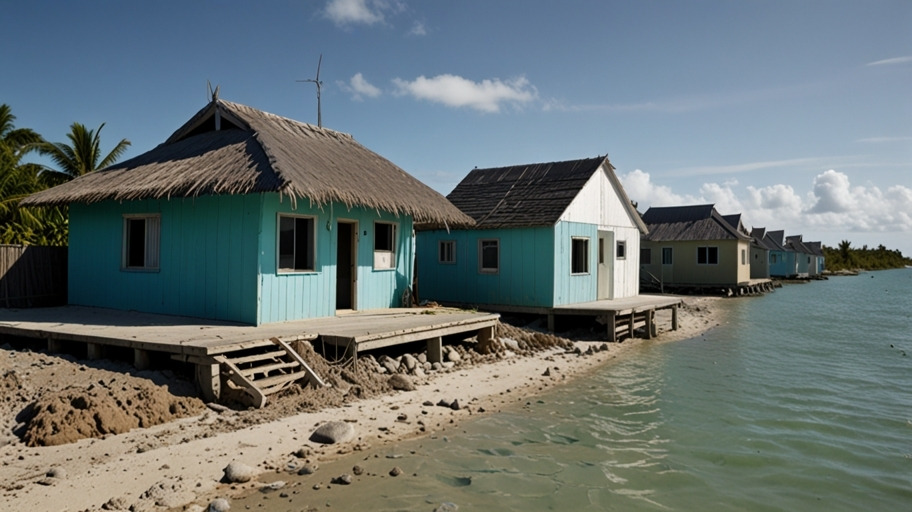
Kiribati's geography is both its most defining feature and its greatest vulnerability. The atolls and reef islands, such as Tarawa (the capital), are at most two meters above sea level. The low-lying nature of the islands makes them particularly prone to the impacts of climate change, especially rising sea levels and storm surges. Furthermore, Kiribati's location in the central Pacific leaves it exposed to tropical cyclones and unpredictable weather patterns, which are worsening due to global warming
.
The economy of Kiribati is relatively small and underdeveloped, with limited natural resources and income-generating activities. The country relies heavily on fishing licenses, remittances, development aid, and the phosphate reserve that has largely depleted. The subsistence lifestyle of many i-Kiribati (the people of Kiribati) is based on agriculture, with coconuts, taro, and breadfruit being the primary crops. Yet, these too are at risk due to increasing salinity in soil and water, as saltwater intrusion continues to damage agricultural land.
The country's remoteness poses significant challenges in terms of trade, health, and education. Limited access to markets increases the cost of imports, while rising poverty and unemployment worsens the nation's vulnerability. Additionally, a lack of infrastructure and inadequate health services make it difficult to respond to effectively climate-induced disasters.
Climate Change Impacts in Kiribati
Rising Sea Levels
Kiribati is one of the countries most vulnerable to rising sea levels. Projections by the Intergovernmental Panel on Climate Change (IPCC) indicate that sea levels could rise between 0.5 to 1 meter by the end of the 21st century. For Kiribati, where most of the land lies less than two meters above sea level, this is catastrophic. Already, the country has experienced measurable impacts, with the sea encroaching on villages, homes, and essential infrastructure.
As sea levels rise, the islands face the dual threat of land submersion and increased flooding. Some villages in Kiribati have been forced to relocate due to recurrent flooding, while others are grappling with the loss of freshwater sources. Saltwater intrusion into groundwater supplies has rendered many freshwater wells undrinkable, compounding the challenges to agriculture and food security.
Coastal Erosion
Coastal erosion is a severe problem in Kiribati, driven by both natural processes and human activity. Rising sea levels worsen this problem, causing beaches to disappear and shorelines to recede. The impact is especially stark in urban areas like South Tarawa, where high population density and the concentration of infrastructure increase the risk of damage.
In many parts of the islands, erosion has resulted in the loss of homes, schools, and cultural sites. For an island nation with limited land, every square meter lost to the ocean is significant. Erosion also affects ecosystems, such as mangroves, which serve as natural barriers against storm surges. The degradation of mangroves further reduces the islands' resilience to the impacts of climate change.
Ocean Acidification and Coral Bleaching
The ocean surrounding Kiribati is its lifeblood, but it is under severe threat from climate change. Ocean acidification, driven by increased carbon dioxide (CO2) absorption in seawater, threatens marine ecosystems, particularly coral reefs. Coral reefs are vital to Kiribati's biodiversity, providing food and livelihoods for many i-Kiribati, as well as acting as natural coastal buffers.
Coral bleaching events, triggered by rising sea temperatures, have become more frequent and severe. In 2015, a major bleaching event affected Kiribati's reefs, causing widespread damage. Bleached coral is more susceptible to disease, reducing its ability to recover and support marine life. The degradation of coral reefs not only threatens food security and livelihoods but also weakens natural defenses against coastal erosion and storm surges.
Increased Frequency and Intensity of Storms
While Kiribati is not in the direct path of tropical cyclones, it is increasingly vulnerable to the indirect effects of storms. Changing weather patterns have led to more unpredictable and extreme rainfall events, which can cause flash floods and storm surges. In combination with rising sea levels, these storms cause severe coastal flooding and damage to homes and infrastructure.
Socio-Economic Vulnerabilities
Food and Water Security
One of the most immediate impacts of climate change in Kiribati is on food and water security. As mentioned earlier, saltwater intrusion into freshwater lenses has made it difficult to access clean drinking water. Additionally, traditional agricultural practices have become less viable as saltwater damages soil and crop reduces yields.
Food insecurity is a growing concern, particularly as the country relies heavily on imported food. The degradation of marine ecosystems threatens fisheries, which are a primary source of protein for many communities. With both land- and ocean-based food sources under threat, Kiribati is increasingly dependent on external aid and imports, which is neither sustainable nor reliable.
Health Impacts
Climate change is also affecting public health in Kiribati. The country faces a growing incidence of waterborne diseases, such as diarrhea, due to the contamination of freshwater supplies. Vector-borne diseases, such as dengue fever, are also on the rise as changing temperatures and rainfall patterns create more favorable conditions for mosquitoes to thrive.
Malnutrition is another concern, driven by declining agricultural productivity and reliance on imported, often less nutritious, food. The lack of access to clean water and adequate healthcare services further compounds the health risks for vulnerable populations, particularly children and the elderly.
Displacement and Migration
One of the most dramatic potential consequences of climate change in Kiribati is displacement. Rising sea levels and the increasing severity of climate impacts may render some of the islands uninhabitable in the future. Already, some communities have been forced to relocate within the country, but internal migration is limited by the small amount of habitable land.
The possibility of climate-induced migration to other countries is a real and pressing issue for Kiribati. The government has developed a "migration with dignity" policy, which aims to provide i-Kiribati with skills and education that would allow them to migrate voluntarily, rather than being displaced by climate change. However, migration comes with its own challenges, including the preservation of culture, identity, and sovereignty.
Resilience Efforts
National Adaptation and Resilience Strategies
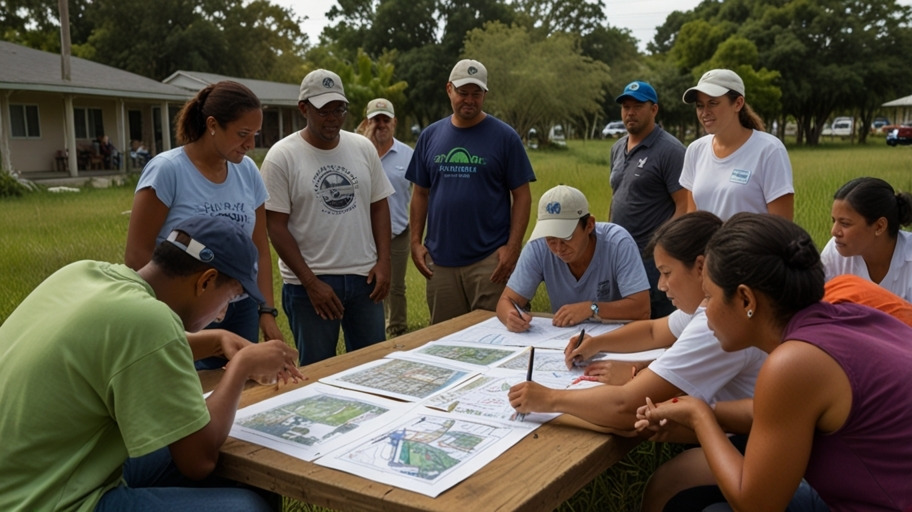
Kiribati has been proactive in developing strategies to enhance its resilience to climate change. The Kiribati Joint Implementation Plan for Climate Change and Disaster Risk Management (KJIP) is a comprehensive national plan that outlines adaptation measures across sectors, including infrastructure, water management, agriculture, and health. The KJIP focuses on building local capacity, strengthening infrastructure, and enhancing the resilience of ecosystems.
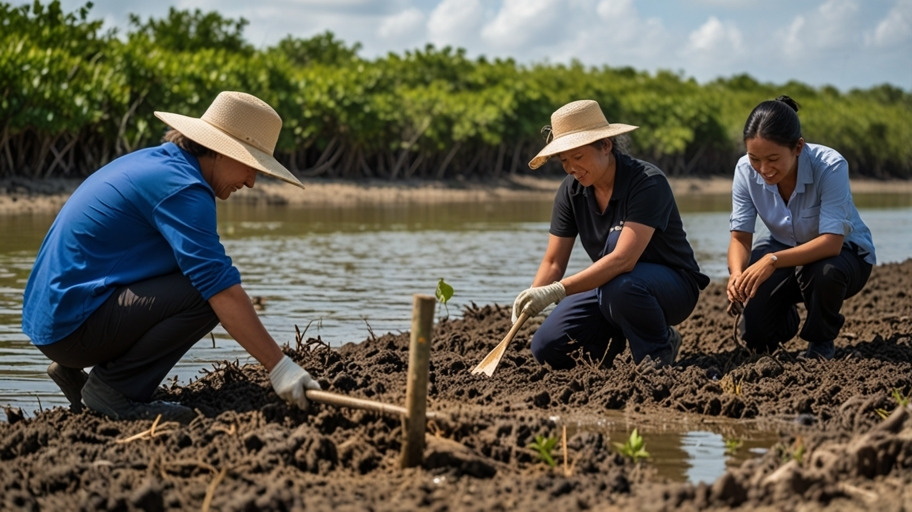
One of the key pillars of Kiribati's adaptation strategy is the protection and restoration of coastal ecosystems, particularly mangroves. Mangroves play a crucial role in stabilizing shorelines and protecting against storm surges. The government, with the support of international partners, has implemented mangrove replanting programs to help reduce coastal erosion and enhance biodiversity.
Land Purchase in Fiji
In a bold and unprecedented move, the government of Kiribati purchased 20 square kilometers of land on the Fijian island of Vanua Levu in 2014. This purchase is part of Kiribati's long-term strategy to address the threat of rising sea levels and potential displacement. While the land is intended for agricultural development and food security in the short term, it also provides a potential refuge for i-Kiribati in the event that some islands become uninhabitable.
The land purchase has been seen as both a proactive and symbolic gesture, highlighting the existential threat climate change poses to Kiribati. However, it also raises complex questions about sovereignty, culture, and the potential relocation of entire communities.
International Advocacy and Partnerships
Kiribati has been an active voice in international climate negotiations, calling on the global community to take urgent action to reduce greenhouse gas emissions. The country's leaders have repeatedly emphasized that for Kiribati, climate change is not a future threat but a present reality. Former President Anote Tong, in particular, gained international recognition for his advocacy on behalf of Kiribati and other low-lying island nations.
International partnerships have also been critical to Kiribati's resilience efforts. The country has received financial and technical support from various multilateral organizations, including the United Nations, the World Bank, and the Green Climate Fund. These partnerships have helped fund critical adaptation projects, such as seawall construction, water management systems, and disaster preparedness programs.
Migration with Dignity
As part of its forward-looking strategy, Kiribati has embraced the concept of “migration with dignity.” Recognizing the possibility that some i-Kiribati may need to relocate due to climate change, the government has focused on providing its citizens with education and skills that will allow them to migrate as a choice, rather than as a last resort.
Educational programs and labor mobility agreements with countries like New Zealand and Australia have been central to this effort. The goal is to ensure that i-Kiribati who migrate can do so with dignity and the ability to contribute to their new communities, while also maintaining strong ties to their cultural heritage.
Conclusion
Kiribati is at the forefront of the global climate crisis, facing existential threats from rising sea levels, coastal erosion, and environmental degradation. However, the country is not passively awaiting its fate. Through a combination of national adaptation strategies, international advocacy, and innovative policies like “migration with dignity,” Kiribati is working to build resilience in the face of unprecedented challenges.
The future of Kiribati is uncertain, but its efforts to adapt and advocate for global climate action offer hope not only for the i-Kiribati people but for all vulnerable nations facing the impacts of climate change. As the world grapples with the urgency of the climate crisis, Kiribati's experience serves as a stark reminder of the need for immediate, transformative action.