Kiribati's Responses to Natural Disasters and Emergency Preparedness
Introduction
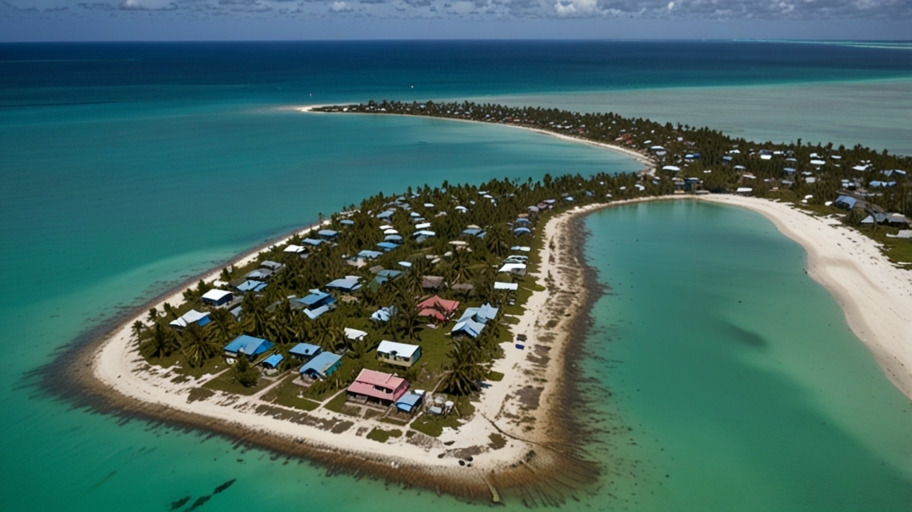
Kiribati, a nation consisting of 33 atolls and reef islands spread across the central Pacific Ocean, faces significant challenges due to its geographical characteristics and exposure to natural disasters. While the islands are relatively small, low-lying, and dispersed, Kiribati's vulnerability to natural disasters such as tropical storms, droughts, sea-level rise, and coastal erosion is disproportionately high. The most pressing challenge for Kiribati is climate change, as rising sea levels and extreme weather events threaten the country's very existence. Natural disasters in Kiribati are both sudden (cyclones, storms) and slow-onset (droughts, sea-level rise), requiring a multifaceted approach to emergency preparedness and disaster management.
This article explores Kiribati's responses to natural disasters, focusing on the country's approach to emergency preparedness, government and international partnerships, and the cultural and socioeconomic impact of these measures. We will also discuss how the country is positioning itself to confront the most significant challenges posed by climate change.
Kiribati's Vulnerability to Natural Disasters
Kiribati's geographical location in the central Pacific places it at the frontline of some of the most pressing natural disasters. Composed of three main island groups—the Gilbert Islands, Phoenix Islands, and Line Islands—Kiribati's small, dispersed population (approximately 123,000 people as of 2022) is vulnerable to a range of natural hazards.

The country is particularly susceptible to the following natural disasters:
- Sea-Level Rise : Kiribati's most significant and existential challenge stems from rising sea levels, which threaten to submerge many of its low-lying islands. With an average elevation of just two meters above sea level, even modest increases in sea level can cause significant land loss, flooding, and saltwater intrusion into freshwater resources.
-
Tropical Cyclones and Storm Surges : Although Kiribati is located outside the typical cyclone belt of the Pacific, it is still occasionally impacted by tropical storms and associated storm surges. These storms can cause flooding, damage infrastructure, and disrupt livelihoods.
- Droughts : Kiribati experiences prolonged periods of drought, especially in the northern parts of the country. This impacts water availability, agricultural productivity, and food security.
- Coastal Erosion : The combination of rising sea levels and the naturally fragile environment of coral atolls makes Kiribati highly vulnerable to coastal erosion. The loss of land to the sea not only threatens homes and infrastructure but also sacred and culturally significant areas.
- King Tides : Occurring several times a year, king tides—abnormally high tides—flood parts of Kiribati, disrupting daily life and damaging homes and infrastructure. The effects of these events are becoming more pronounced due to climate change.
Given these threats, Kiribati has developed a range of strategies to mitigate the impact of natural disasters and prepare its citizens for emergencies.
Kiribati's Response to Natural Disasters
National Disaster Risk Management
Kiribati's approach to natural disaster response is shaped by its National Disaster Risk Management Plan (NDRMP), which outlines policies, procedures, and mechanisms for managing disasters. This plan emphasizes the importance of preparedness, response, recovery, and mitigation.
-
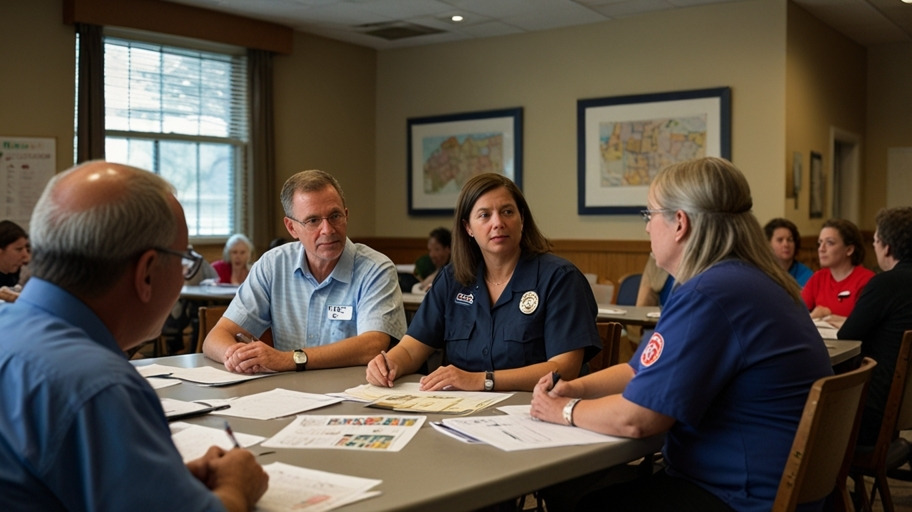
Preparedness and Early Warning Systems : Preparedness in Kiribati focuses on establishing early warning systems and community-based preparedness initiatives. The country has been working to enhance its meteorological services to provide timely and accurate weather forecasting, which is essential for early warnings related to cyclones, droughts, and king tides. Additionally, the government has engaged in public education campaigns to raise awareness about natural disasters and encourage community preparedness. Given the remoteness of many islands, community-based disaster risk management (CBDRM) is particularly important. Local communities are Often the first responders in the event of a disaster, and efforts have been made to build their capacity to assess risks, develop contingency plans, and mobilize local resources.
- Emergency Response : When natural disasters occur, Kiribati's emergency response system, guided by the NDRMP, is activated. The National Disaster Management Office (NDMO) coordinates response efforts, working with various government ministries, local authorities, and international partners. The NDMO's response efforts prioritize the provision of immediate humanitarian assistance, including food, water, shelter, and medical care. The logistical challenges of responding to disasters in Kiribati are considerable due to the vast distances between islands. To address this, the government has worked to pre-position supplies in vulnerable areas and improve communication networks between the islands.
- Recovery and Reconstruction : Following a natural disaster, the focus shifts to recovery and reconstruction. Kiribati's disaster recovery efforts involve repairing damaged infrastructure, restoring livelihoods, and ensuring that communities are better prepared for future disasters. The government works with international organizations such as the United Nations, the World Bank, and the Asian Development Bank to secure funding and technical assistance for recovery projects. An essential aspect of recovery is building resilience to future disasters. In the context of climate change, this means constructing infrastructure that can withstand rising sea levels and more extreme weather events. For example, Kiribati has invested in seawall construction to protect coastal areas from erosion and flooding. However, seawalls alone are not sufficient to address the long-term challenges posed by climate change.
-
Mitigation and Adaptation : Mitigating the risks of natural disasters in Kiribati is closely linked to climate change adaptation. The government has adopted a range of strategies to reduce vulnerability to climate change and enhance resilience to natural disasters. These include measures such as:
International Partnerships and Assistance
Kiribati's capacity to respond to natural disasters is bolstered by its partnerships with international organizations, donor countries, and regional bodies. Given the country's limited resources and geographical isolation, external assistance is critical in both emergency response and long-term disaster risk reduction.
-
Pacific Islands Forum (PIF) : As a member of the Pacific Islands Forum, Kiribati collaborates with other Pacific nations on regional disaster management and climate change adaptation initiatives. PIF provides a platform for small island nations like Kiribati to voice their concerns and advocate for international action on climate change.
- United Nations (UN) : The United Nations plays a significant role in supporting Kiribati's disaster management efforts. The United Nations Office for the Coordination of Humanitarian Affairs (OCHA) assists the Kiribati government in coordinating disaster response and mobilizing international assistance during emergencies. UN agencies such as the United Nations Development Programme (UNDP) and the United Nations Environment Programme (UNEP) support climate adaptation projects and disaster risk reduction initiatives.
- World Bank and Asian Development Bank (ADB) : The World Bank and ADB provide financial and technical assistance for disaster recovery and climate adaptation projects in Kiribati. These institutions have funded infrastructure development, such as seawall construction and water supply systems, and have helped the government develop policies for disaster risk management.
- Bilateral Partnerships : Kiribati bilateral receives assistance from countries such as Australia, New Zealand, and Japan. These countries provide funding for disaster preparedness and response, as well as technical assistance for climate adaptation projects. Australia, for example, has supported Kiribati's efforts to strengthen its early warning systems and improve water management in drought-prone areas.
-
Non-Governmental Organizations (NGOs) : NGOs also play a critical role in disaster management and climate adaptation in Kiribati. Organizations such as the Red Cross and Oxfam have been active in providing emergency relief during natural disasters and working with local communities on disaster preparedness and resilience-building initiatives.
Climate Change Adaptation and Long-Term Challenges
While Kiribati has made significant strides in disaster preparedness and emergency response, the long-term challenge of climate change looms large. Rising sea levels, more frequent and intense storms, and increasing temperatures threaten the very existence of the country. In response to these existential threats, Kiribati has adopted several key strategies:
- Migration with Dignity : Recognizing that some parts of the country may become uninhabitable due to rising sea levels, the Kiribati government has adopted the “Migration with Dignity” policy. This policy aims to provide opportunities for Kiribati citizens to migrate to other countries, such as New Zealand and Australia, in a way that preserves their dignity and allows them to contribute meaningfully to their new communities. The government is investing in education and skill development to ensure that Kiribati citizens are well-prepared to take advantage of migration opportunities.
- Land Purchases Abroad : In 2014, the Kiribati government purchased land in Fiji as part of its long-term strategy to address the impacts of climate change. While the land is not intended for immediate relocation, it provides a potential safety net for future generations if large parts of Kiribati become uninhabitable.
- International Advocacy : Kiribati has been a vocal advocate for global action on climate change, particularly in international forums such as the United Nations Framework Convention on Climate Change (UNFCCC). The country's leaders have called for stronger global commitments to reduce greenhouse gas emissions and provide financial support to vulnerable nations like Kiribati.
Conclusion
Kiribati faces immense challenges due to its vulnerability to natural disasters and the existential threat of climate change. The country has developed a robust disaster management framework that focuses on preparedness, response, recovery, and mitigation. However, the scale of the challenge posed by climate change requires sustained international cooperation and long-term adaptation strategies.
Through partnerships with international organizations, donor countries, and NGOs, Kiribati has made significant progress in building resilience to natural disasters. However, the future remains uncertain, and the government's proactive strategies, such as the “Migration with Dignity” policy and land purchases abroad , highlight the gravity of the situation.
Kiribati's responses to natural disasters and climate change serve as a reminder of the urgent need for global action to address the root causes of these challenges and support vulnerable nations in their efforts to adapt and thrive in an increasingly uncertain world.