Kiribati's Agricultural Practices and Food Security Issues: Challenges and Prospects
Introduction
Kiribati, a small island nation located in the central Pacific Ocean, consists of 33 coral atolls and reef islands spread across a vast area. With a population of around 119,000, this island nation is one of the most isolated and vulnerable countries in the world. Despite its rich marine resources, Kiribati faces significant food security challenges due to its limited land for agriculture, poor soil quality, and vulnerability to climate change. In this article, we will explore Kiribati's agricultural practices and examine how these intersect with the broader issue of food security. Additionally, we will look at the challenges posed by climate change, as well as the government's strategies and possible future solutions to improve food security in the country.
The Role of Agriculture in Kiribati's Economy
Agriculture in Kiribati is inherently constrained by the geography and environmental conditions of the islands. The majority of Kiribati's landmass is composed of low-lying coral atolls, which provide little fertile soil suitable for conventional farming. The arid soil, coupled with minimal rainfall in many regions, severely limits agricultural productivity. tested, the country relies heavily on imported foods, especially rice, flour, canned goods, and sugar, to meet its nutritional needs.
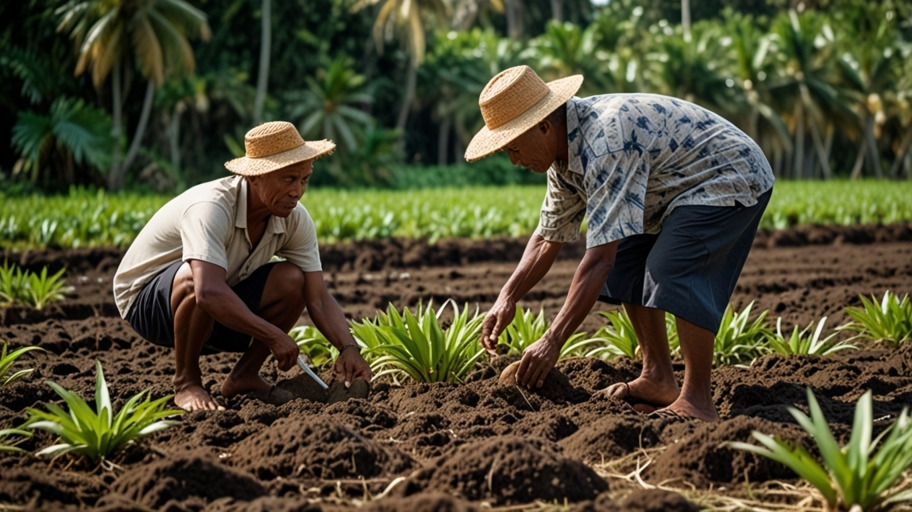
Traditionally, Kiribati's agricultural practices have centered around subsistence farming, where households grow crops like coconuts, breadfruit, pandanus, and taro in household gardens. The coconut palm, known as the "tree of life," plays a crucial role in both the food supply and the local economy. Copra, the dried kernel of the coconut, is one of Kiribati's primary agricultural exports and has historically been an important source of income for many households.
However, despite these subsistence practices, the agricultural sector contributes minimally to the country's gross domestic product (GDP). The dependence on imported food has increased over time due to the growing population and decreasing productivity of local farming systems. This dependence has made Kiribati vulnerable to external shocks, such as global food price fluctuations, disruptions in international trade, and other challenges posed by climate change.
Current Agricultural Practices
- Subsistence Agriculture Subsistence farming in Kiribati primarily focuses on cultivating crops that are adapted to the atoll environment. These crops include coconuts, breadfruit, pandanus, and root crops like giant swamp taro (Cyrtosperma chamissonis). These crops are grown in traditional pits or "bwaibwai" " gardens, which are dug into the ground to reach nutrient-rich, water-retentive soils. The practice of digging deep pits is necessary due to the limited fertility of surface soils on coral atolls. Additionally, in some regions, seawater intrusion into groundwater supplies has posed a significant challenge to these farming practices. Breadfruit and pandanus trees are also grown in home gardens and serve as staple food sources. Breadfruit, in particular, is drought-tolerant and provides a reliable food source during dry seasons. Pandanus fruit, on the other hand, is highly nutritious and can be preserved for long periods, making it a critical food source during times of food scarcity.
- Agroforestry Agroforestry, the practice of integrating trees and shrubs with crops and livestock, is a traditional agricultural system in Kiribati. This method offers a more sustainable use of land resources by improving soil fertility and reducing the impact of wind and salt spray on crops. For example, coconut trees are often intercropped with other crops like taro, bananas, or vegetables, which creates a diverse and resilient farming system. Agroforestry systems help protect crops from the harsh environmental conditions on the islands while also providing multiple benefits such as firewood, food , and materials for traditional crafts.
- Livestock Livestock farming in Kiribati is limited, with pigs and chickens being the most common animals raised by households. These animals are generally kept for domestic consumption and play a minor role in the country's food supply. There is little large-scale livestock farming due to land constraints and a lack of resources, such as animal feed. Furthermore, the import of animal products such as chicken and beef is a significant part of the national food supply.
- Fishing and Marine Resources While agriculture faces many challenges, Kiribati's economy is heavily dependent on its marine resources. Fishing, both for subsistence and commercial purposes, is a vital component of the food supply and livelihoods. Kiribati's exclusive economic zone (EEZ) covers a vast area of ocean rich in tuna and other fish species. Fish is the primary source of protein for the population, and the sale of fishing licenses to foreign nations provides an important source of government revenue. However, unsustainable fishing practices, climate change, and overfishing threaten the long-term viability of marine resources, further compounding food security issues.
Food Security Issues in Kiribati
Food security in Kiribati is closely tied to the availability, accessibility, and affordability of food. The small land area, poor soil fertility, and limited freshwater resources create significant challenges for domestic food production, making Kiribati highly dependent on food imports. The Food and Agriculture Organization (FAO) defines food security as a state where “all people, at all times, have physical, social, and economic access to sufficient, safe, and nutritious food that meets their dietary needs and food preferences for an active and healthy life .” Kiribati struggles to meet these criteria due to various factors:

- Dependency on Imports Kiribati imports approximately 80-90% of its food, including staples like rice, flour, canned meat, and sugar. This dependence on imported food makes the nation vulnerable to price fluctuations in global markets, changes in international trade policies, and disruptions in supply chains caused by natural disasters or geopolitical tensions. Rising food prices disproportionately affect lower-income households, exacerbating the issue of food insecurity. Furthermore, imported foods tend to be less nutritious, leading to health problems like obesity, diabetes, and other diet-related non-communicable diseases (NCDs).
- Climate Change and Environmental Degradation Climate change poses a severe threat to Kiribati's food security. Rising sea levels, saltwater intrusion, and more frequent extreme weather events, such as droughts and storms, have already begun to impact agricultural productivity and the availability of freshwater resources. The Intergovernmental Panel on Climate Change (IPCC) has identified Kiribati as one of the most vulnerable countries in the world to climate change. As the sea levels rise, low-lying atolls are becoming increasingly susceptible to flooding, which damages crops, contaminates freshwater sources , and reduces the amount of arable land available for farming. In addition to climate change, the overuse of land and deforestation have led to soil degradation in some areas. Poor land management practices have resulted in the depletion of nutrients in agricultural soils, further limiting the ability to grow food locally.
- Health and Nutrition The shift from traditional diets to one based on imported processed foods has led to a rise in health issues in Kiribati. The consumption of unhealthy, high-calorie foods such as canned meats, instant noodles, and sugary drinks has contributed to an increase in obesity, heart disease, and diabetes among the population. Malnutrition is also a concern, as many households lack access to nutritious foods, particularly fresh fruits and vegetables. This double burden of malnutrition, where both undernutrition and overnutrition exist simultaneously, presents a significant public health challenge for the nation.
- Limited Agricultural Technology and Infrastructure The lack of access to modern agricultural technologies, inputs, and infrastructure hampers the ability to improve agricultural productivity in Kiribati. Farmers typically rely on traditional methods that are less efficient and less resilient to climate variability. There is also a lack of irrigation systems, cold storage facilities, and market access for local produce. Without these technologies and infrastructure, Kiribati's agricultural sector remains underdeveloped and unable to meet the food needs of its population.
Government Initiatives and Strategies for Food Security
Recognizing the need to improve food security, the government of Kiribati, in collaboration with international organizations, has implemented several strategies to address the country's food security challenges.
- Promotion of Local Food Production One of the key strategies to enhance food security is to promote local food production through the revitalization of traditional agricultural practices. The government is working with local communities and international partners to support the cultivation of staple crops such as breadfruit, pandanus , taro, and sweet potatoes. The Ministry of Environment, Lands, and Agricultural Development (MELAD) has been leading efforts to provide farmers with training on sustainable farming practices, pest management, and soil conservation techniques to improve productivity and resilience.
- Climate Change Adaptation Projects Given the existential threat posed by climate change, Kiribati has been actively involved in climate change adaptation projects. The Kiribati Adaptation Program (KAP), launched in collaboration with the World Bank and the Global Environment Facility (GEF), focuses on enhancing the country's resilience to climate change by improving water management, protecting coastal areas, and supporting food security through sustainable agriculture and fisheries. Additionally, the introduction of salt-tolerant crop varieties and the development of rainwater harvesting systems have been prioritized to mitigate the impacts of seawater intrusion and water scarcity. Agroforestry projects that integrate trees with crops are also being promoted to enhance soil fertility and provide protection against extreme weather events.
- Fisheries Management and Marine Conservation Given the importance of marine resources to Kiribati's food security, the government has implemented policies aimed at ensuring the sustainability of fisheries. These include the creation of marine protected areas, the enforcement of fishing regulations, and the promotion of community- based fisheries management. By safeguarding marine ecosystems and reducing overfishing, the government hopes to ensure the long-term availability of fish, which is a critical source of protein for the population.
- Education and Awareness The government and non-governmental organizations (NGOs) have been conducting public awareness campaigns to promote healthy eating habits and reduce dependence on imported, processed foods. Schools and community centers have become important venues for promoting traditional diets and educating people on the nutritional benefits of locally grown foods. This is part of a broader effort to address the health impacts of poor nutrition and reduce the prevalence of diet-related diseases.
Future Prospects and Conclusion
Despite the numerous challenges faced by Kiribati in achieving food security, there are opportunities for positive change. By focusing on the revitalization of traditional agricultural practices, investing in climate-resilient technologies, and improving the management of marine resources, Kiribati can enhance its food security and reduce its dependence on imported food.
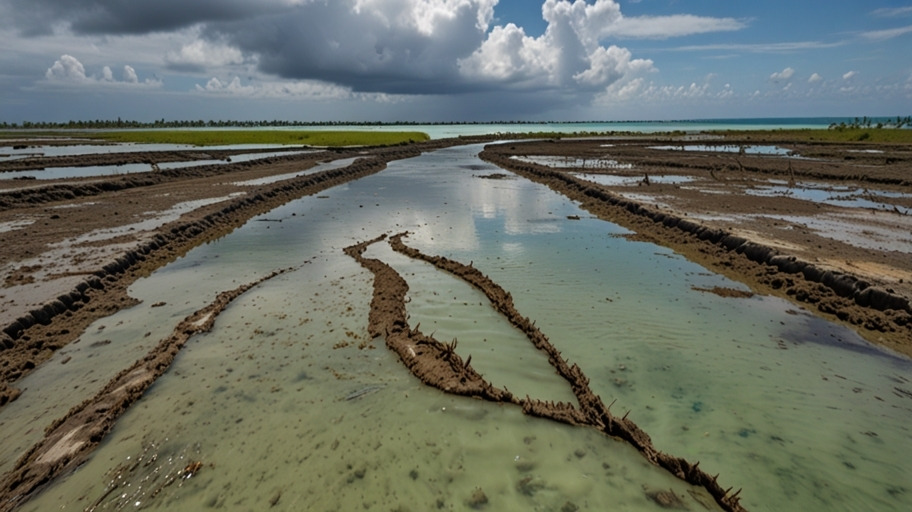
In the long term, international cooperation and the mobilization of financial resources will be essential in supporting Kiribati's efforts to adapt to the impacts of climate change. Programs that promote sustainable development, environmental conservation, and food sovereignty are vital to ensuring that Kiribati's population can continue to live healthy and secure lives despite the environmental challenges they face.
Ultimately, addressing food security in Kiribati will require a holistic approach that integrates economic development, environmental protection, and public health. By building resilience in its agricultural and food systems, Kiribati can mitigate the impacts of climate change and work toward a more secure and sustainable future for its people.